

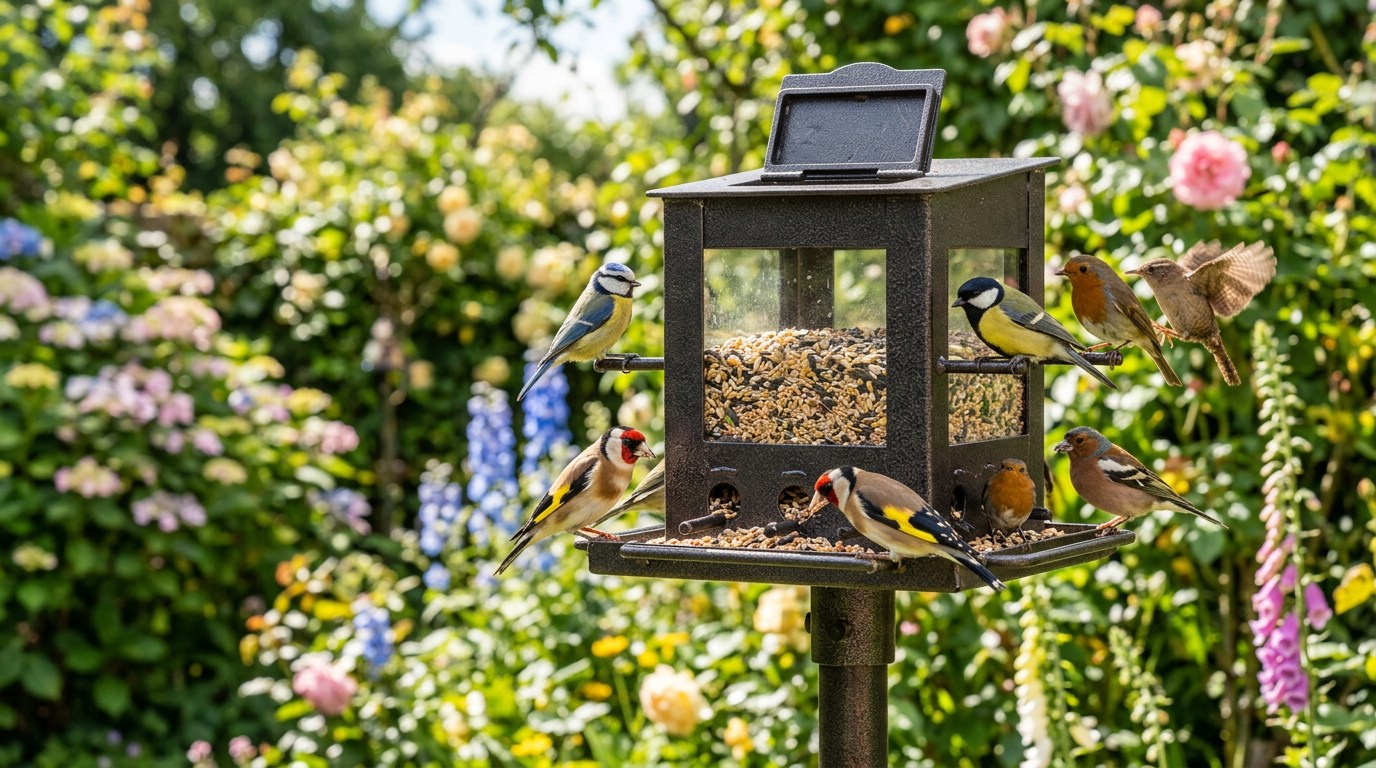
Iron intake supports oxygen transport, energy, and strong immunity in birds. A quality nutrition blend combines the right seeds and minerals to meet these needs safely.
What Makes a Premium Bird Seed Blend
A good seed blend gives birds more than empty calories. It supplies protein for muscle and feather growth, fats for energy, and trace minerals like iron, zinc, and potassium for daily body functions. Calcium supports strong eggshells and bones, while phosphorus, potassium, iron, and zinc round out a balanced diet for wild birds (Kaytee). Different natural foods, including grains, seeds, insects, fruit, nuts, and nectar, each contribute their own share of nutrition (Kaytee). KayteeKaytee
Why Iron Matters for Birds
Iron plays a direct role in a bird's blood health. It helps carry oxygen through the body, which keeps energy levels steady during flying, foraging, and nesting. Iron helps birds maintain the high energy levels needed for daily activities by supporting efficient oxygen transport (Frome Tourist Info). It is also needed for hemoglobin formation, which prevents avian anemia and supports healthy circulation (Frome Tourist Info). FrometouristinfoFrometouristinfo
Seeds That Naturally Contain Iron
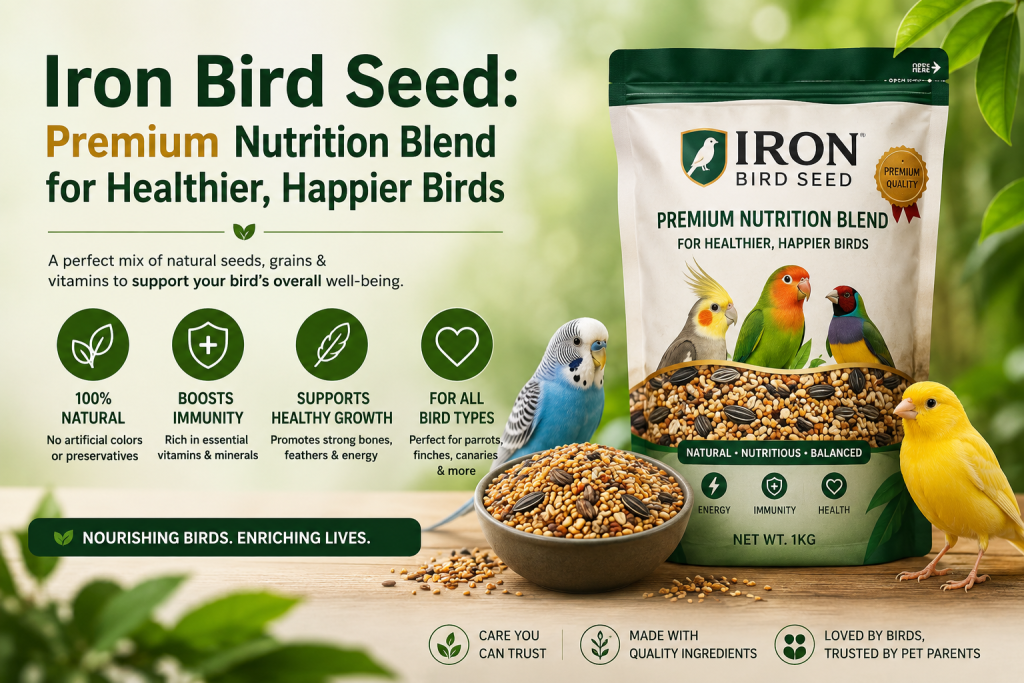
Several common seeds already carry useful iron levels without any added fortification. Millet, sunflower seeds, and flaxseed are among the main natural sources of iron in seed mixes, and they also supply protein, healthy fats, vitamins, and other minerals (Jianuojia Pet Blog). Sunflower seed carries a high fat content of 27 to 29 percent, along with fiber, protein, and traces of iron, calcium, and potassium (Avian Report). Milo is another seed rich in carbohydrates and a useful source of fiber, iron, and calcium for a balanced diet (Avian Report). Jianuojiapet + 2
How Much Iron Birds Actually Need
Bird species do not all need the same iron levels, and this is where blend quality matters most. Most feeds with under about 100 parts per million of iron are generally considered reasonable for common birds, while sensitive species such as African greys and macaws often need levels under about 30 parts per million (Trendsmask). Iron requirements also shift based on a bird's size, age, diet, and activity level (Jianuojia Pet Blog). ReviewJianuojiapet
| Bird Type | Typical Iron Guideline | Notes |
|---|---|---|
| Common backyard birds (finches, sparrows, cardinals) | Under 100 ppm | Generally low risk from quality seed blends |
| Sensitive species (African greys, macaws) | Under 30 ppm | Requires closer monitoring |
| Iron storage-prone species (toucans, mynahs, lories) | Very low iron diet | Should avoid iron-fortified feed |
Species That Need Extra Care
Not every bird benefits from iron-rich feed, and some can be harmed by too much of it. Species such as mynahs, lories, and toucans can be prone to iron storage disease, a condition where excess iron builds up in their organs, which is why they need low-iron diets (ClickOnCare). Iron storage disease is well documented in captive exotic species, and toucans, mynahs, and birds of paradise are genetically prone to absorbing excess dietary iron (Expert Zoom). For most common backyard species like cardinals, chickadees, finches, and sparrows, iron at the levels found in quality commercial seed blends poses no known risk (Expert Zoom). ClickOnCare + 2
Signs of Iron Deficiency vs Iron Overload
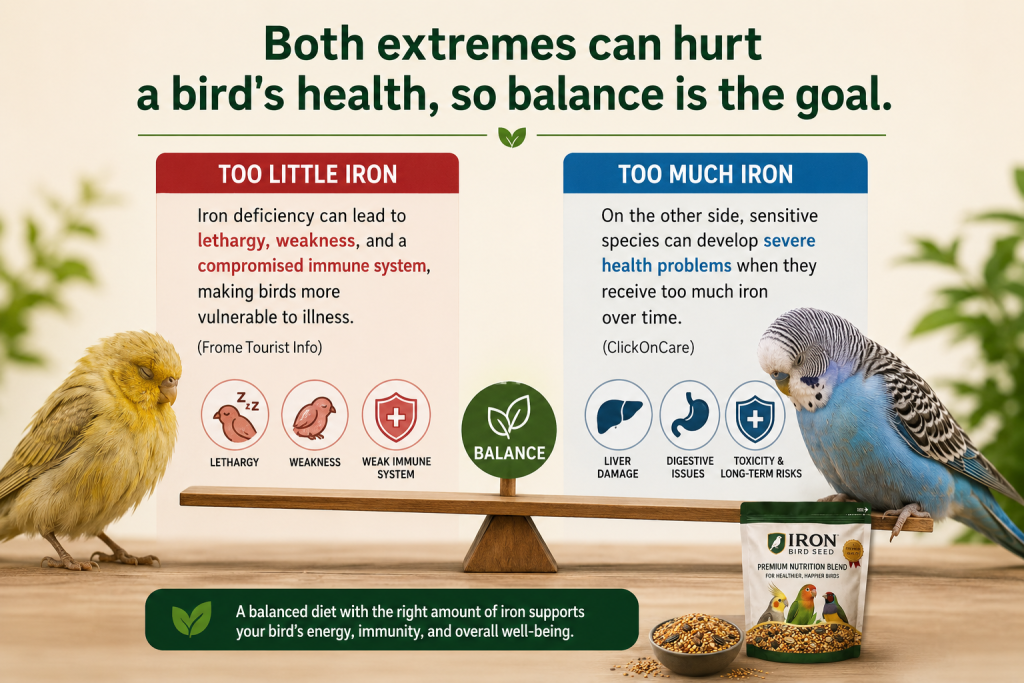
Both extremes can hurt a bird's health, so balance is the goal. Iron deficiency can lead to lethargy, weakness, and a compromised immune system, making birds more vulnerable to illness (Frome Tourist Info). On the other side, sensitive species can develop severe health problems when they receive too much iron over time (ClickOnCare). FrometouristinfoClickOnCare
Expert Guidance on Safe Supplementation
Professional input matters when adjusting any bird's diet. Avian specialist Dr. Samantha Lee notes that in avian nutrition, the key is balance, since while iron is essential, excessive supplementation, especially for iron-sensitive species, can be harmful, so diets should always be tailored to a bird's specific needs (ClickOnCare). Consulting an avian veterinarian before changing a bird's diet is recommended, along with watching for signs of iron overload or deficiency (ClickOnCare). ClickOnCareClickOnCare
Other Nutrients That Work Alongside Iron
Iron does not work alone in a bird's body. Black oil sunflower seeds also contain vitamin E, vitamin B6, folate, thiamine, niacin, riboflavin, magnesium, phosphorus, potassium, and zinc (Birdfy). These nutrients support metabolic function and healthy growth in birds (Birdfy). Peanuts add further value, since they are rich in fat and protein, vitamins A and E, and trace minerals like zinc, iron, potassium, and phosphorus (Kaytee). Birdfy + 2
How to Choose a Safe, High-Quality Blend
Label transparency is one of the clearest signs of a trustworthy seed brand. Buying seed from reputable brands that publish ingredient content is a practical way to avoid unnecessary risk (Expert Zoom). If a product is advertised without clear nutritional information, that should be treated as a red flag, and buyers should ask for detailed composition before using it (Trendsmask). Unfortified, natural seed mixes tend to be safer for iron-sensitive birds (ClickOnCare Mulit News). Expert-zoom + 2
Storage and Feeding Safety
Fresh, dry seed protects birds from more than just poor nutrition. Damp seed left in a feeder can grow mold that produces aflatoxins, compounds that can cause liver failure even in small doses, so any seed that smells off, clumps, or shows discoloration should be discarded immediately (Expert Zoom). It also helps to avoid storing seed near rusting metal containers, since this can affect seed quality over time (Expert Zoom). Expert-zoom
FAQ: Iron Bird Seed – Premium Nutrition Blend for Healthier, Happier Birds
Q: What is Iron Bird Seed?
Iron Bird Seed is a premium bird feed blend formulated to provide balanced nutrition for wild or pet birds, combining a mix of seeds, grains, and nutrients designed to support energy levels, feather health, and overall wellbeing.
Q: What makes this a "premium" nutrition blend?
Premium bird seed blends typically use higher-quality, cleaner seeds with less filler material (like cracked corn or milo), a more balanced ratio of proteins, fats, and carbohydrates, and ingredients selected to appeal to a wider variety of bird species while reducing waste at the feeder.
Q: Which birds is this seed blend best suited for?
A premium mixed blend is generally designed to attract and nourish a wide range of backyard and wild birds — such as finches, cardinals, chickadees, sparrows, and doves — though the exact species attracted depends on the specific seed mix (e.g., sunflower, millet, safflower, or nyjer content).
Q: How often should I refill my bird feeder with this blend?
This depends on feeder size, bird traffic, and weather conditions, but as a general rule, feeders should be checked every 1–2 days and refilled as needed to ensure a consistent food source, especially during colder months when birds require more energy.
Q: Is this seed blend suitable for year-round feeding?
Most premium blends are formulated for year-round use, though some bird enthusiasts adjust the type of seed offered seasonally — favoring higher-fat content (like sunflower seeds) in winter for energy and lighter blends in warmer months.
Q: Does this blend help attract more birds to my yard?
Yes, generally speaking — high-quality, varied seed blends tend to attract a broader range of bird species compared to single-seed or filler-heavy mixes, since different birds have different seed preferences.
Q: How should Iron Bird Seed be stored to maintain freshness?
Bird seed should typically be stored in a cool, dry, airtight container away from moisture and direct sunlight to prevent mold growth and pest infestation, helping preserve its nutritional value and shelf life.
Q: Is this bird seed blend messy or does it produce a lot of waste?
Premium blends with fewer fillers usually produce less waste under feeders, since birds are less likely to pick through and discard unwanted seeds — though some waste is normal with any mixed seed blend.
Q: Can this seed blend be used in any type of bird feeder?
Most mixed blends work well in tube feeders, hopper feeders, and platform feeders, though the ideal feeder type may depend on the specific seed sizes and shapes included in the blend.