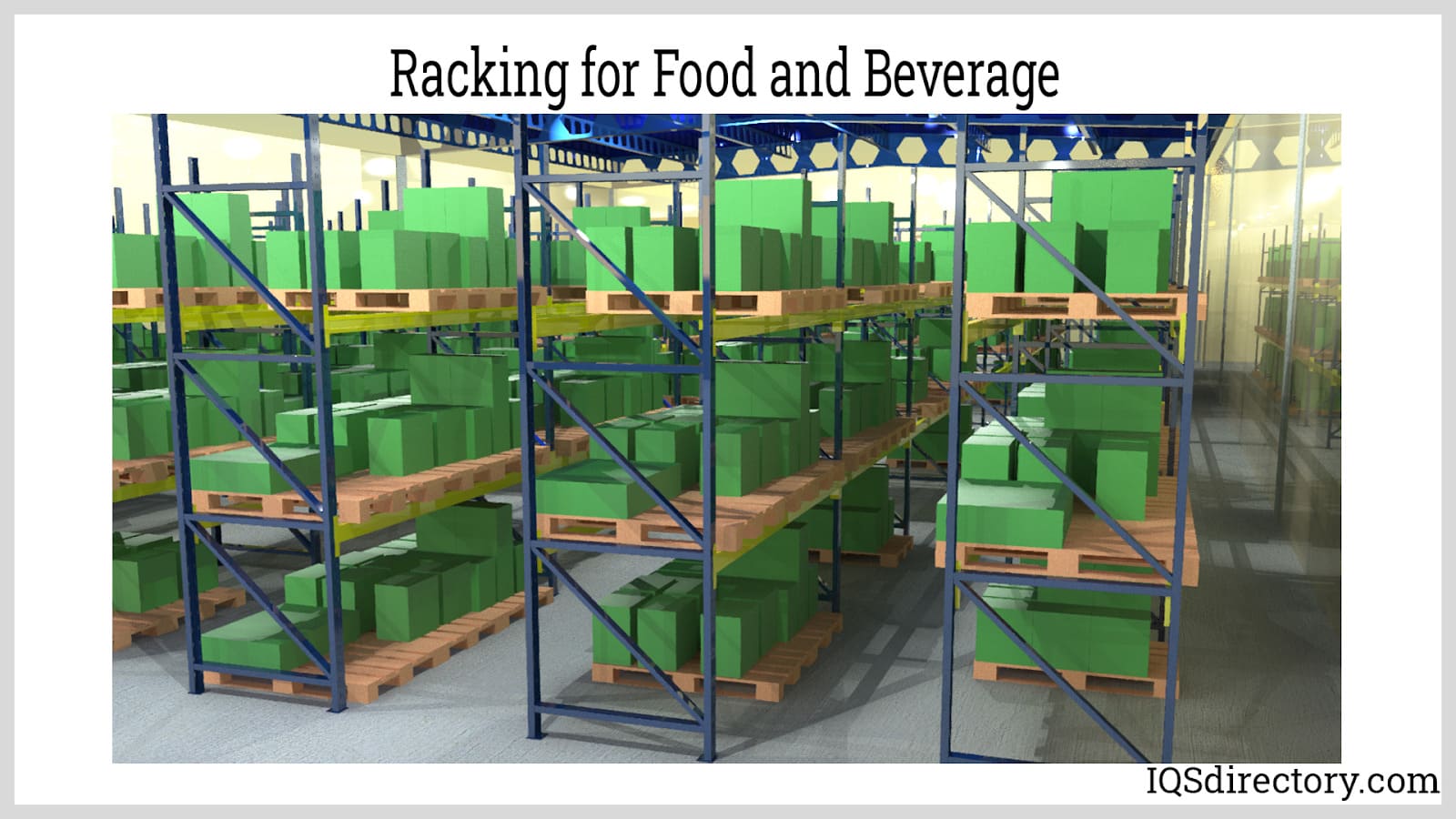
Warehouse racking has a direct impact on how efficiently space is used and how safely goods are handled. A well planned layout supports clear movement routes, consistent picking, and reliable storage over time. Poor decisions at the design stage can lead to ongoing operational issues that are difficult to correct later.
Assessing Storage Requirements Early
Effective racking layouts start with a clear understanding of what needs to be stored. Pallet size, load weight, stacking limits, and stock rotation all influence rack configuration. Designing around current stock alone can create problems if product ranges or order volumes change, so allowance for future variation is an important part of the process.
Matching Racking to Warehouse Equipment
Handling equipment and racking must work together. Reach trucks, counterbalance forklifts, and very narrow aisle trucks all require different clearances. If racking is installed without considering equipment dimensions and turning circles, access can become restricted and damage risk increases. Consistent aisle widths and safe clearances support smoother operation.
Layout and Workflow Efficiency
Racking should support natural workflow rather than interrupt it. Inbound areas, storage zones, and dispatch points need to connect logically to reduce unnecessary travel. Long or awkward routes increase handling time and place extra strain on operators and equipment. A practical layout reduces congestion and supports steady throughput.
Structural and Safety Requirements
Racking systems are load bearing structures and must be designed to handle maximum pallet weights safely. Floor condition, fixing methods, and upright protection all form part of a compliant installation. Regular inspections are easier to manage when racking is laid out with clear access and visibility.
Making Use of Available Height
In many warehouses, usable height is not fully exploited. Increasing rack height can improve storage capacity without expanding floor space, provided the building structure and handling equipment allow it. This approach often offers better value than relocating or extending a site.
Designing for Long Term Use
A planned approach to warehouse racking design supports operational consistency and reduces the need for frequent changes. Systems that allow adjustment and phased expansion are better suited to warehouses where stock profiles and volumes are likely to evolve over time.